Retirement Planning in Kentucky: Maximizing Your Annuity Benefits


Kentucky annuities come with tax rules that can make a big difference in your retirement income. The state lets you exclude up to $31,110 of retirement income per person, which can lower your tax bill. But once you pass that limit, qualified annuities are taxed fully, while non-qualified ones only tax the earnings. If you’re planning retirement in Lexington, Louisville, or Bowling Green, knowing these details helps you keep more of your money. Let’s break down what you need to know about Kentucky annuity tax laws. For more information on annuity taxes, check out this comprehensive guide.
Understanding Kentucky Annuities
Kentucky annuities can be a solid foundation for your retirement plan. They offer a way to secure steady income during your golden years. Let's explore the basics and help you choose the right annuity for your needs.
Kentucky Annuity Basics
Annuities are contracts with insurance companies that promise regular payments in exchange for an upfront investment. They can be a reliable source of income once you retire. Many people find them appealing because of their potential for tax-deferred growth. This means your money can grow without being taxed until you start taking payments. Such a benefit allows your investment to potentially accumulate more over time. For more on understanding annuities, visit this resource.
Choosing the Right Annuity
Selecting the right annuity involves considering your financial goals and retirement timeline. Do you need income immediately, or can you wait a few years? Immediate annuities provide income right away, while deferred annuities let your money grow for a longer period. Consider your risk tolerance as well. Fixed annuities offer guaranteed payments, while variable annuities depend on market performance. Weighing these options can help you make the best decision for your retirement. For further insights into charitable gift annuities, visit University of Kentucky's page.
Kentucky Annuity Tax Laws
Understanding the tax landscape in Kentucky is crucial as it impacts your retirement income. Let's dive into the specifics of how annuities are taxed in the state.
State Income Tax on Annuities
In Kentucky, annuities are subject to state income tax, but there are certain exemptions. Kentucky provides a generous retirement income exclusion of up to $31,110 per person. This exclusion helps reduce the taxable portion of your annuity income. Once you exceed this limit, the remaining annuity income becomes fully taxable. It's important to keep track of your income levels to optimize tax benefits.
Retirement Income Exclusion
The retirement income exclusion allows you to keep more of your money. This exclusion applies to various types of retirement income, including pensions and annuity payments. By leveraging this exclusion, you can significantly lower your state tax liability. If you're near the $31,110 threshold, consider strategies to stay within this limit and minimize your taxes. For more detailed information on Kentucky's tax responsibilities, explore this guide.
Tax Implications of Annuity Types
Understanding the differences between qualified and non-qualified annuities can help you make informed decisions about your retirement income.
Qualified vs Non-Qualified Annuities
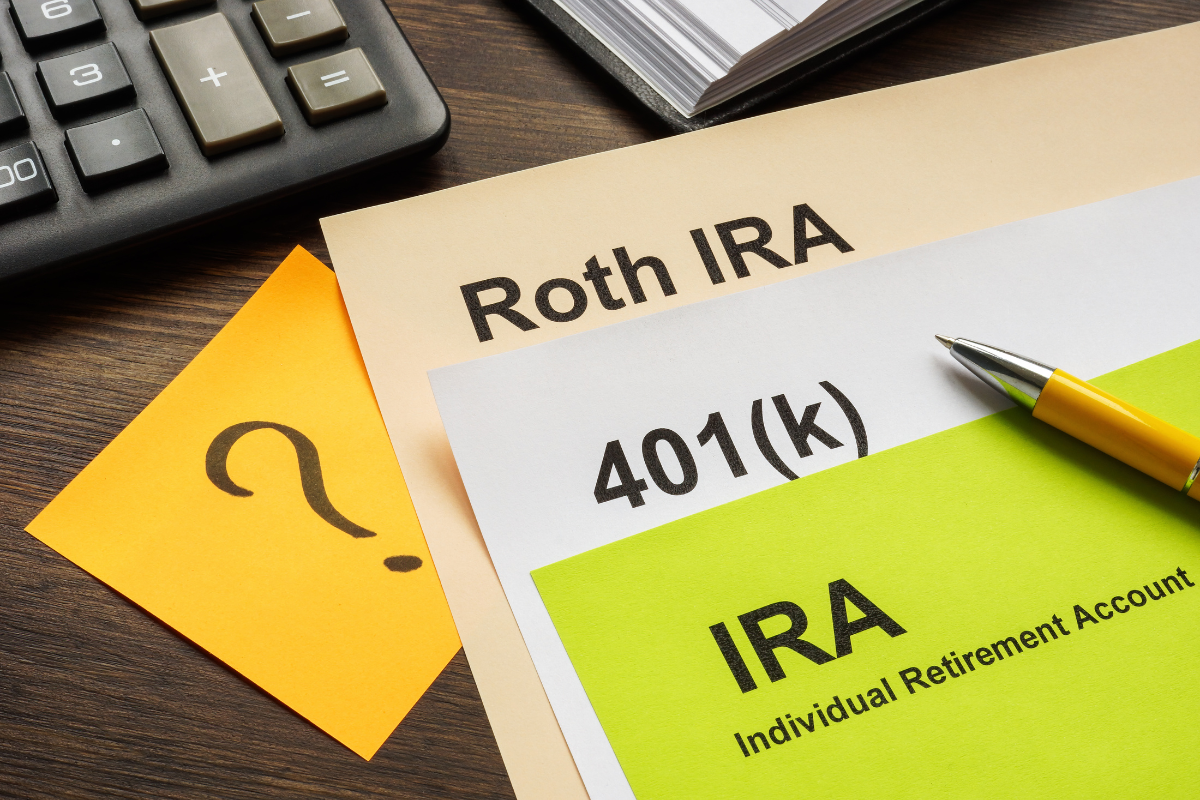
Qualified annuities are funded with pre-tax dollars, such as those from a 401(k) or IRA. Once you withdraw funds, the entire amount is subject to taxation. In contrast, non-qualified annuities are funded with after-tax dollars, so only the earnings portion is taxed. This distinction is important when planning your retirement income strategy, as it influences how much you pay in taxes.
Tax Rates and Exemptions
In Kentucky, the taxable portion of your annuity income is subject to a flat individual income tax rate. Social Security benefits and military retirement benefits are completely exempt, which can be advantageous for retirees. Knowing which portions of your income are taxable can help you plan effectively and take full advantage of available exemptions. For additional information on retirement income taxation, check out TaxSlayer's article.

Retirement Planning in Kentucky
Kentucky offers unique benefits for retirees, especially in cities like Lexington, Louisville, and Bowling Green.
Benefits for Kentucky Retirees
Retirees in Kentucky enjoy a relatively low cost of living, which can stretch retirement savings further. The state's tax policies, including the retirement income exclusion, provide additional financial advantages. These factors make Kentucky an attractive place to retire for those seeking to maximize their retirement income.
Planning for Cities: Lexington, Louisville, Bowling Green
Each city in Kentucky offers distinct lifestyle benefits. Lexington is known for its vibrant cultural scene, while Louisville boasts a rich history and diverse dining options. Bowling Green provides a more relaxed atmosphere, ideal for those seeking a slower pace. When choosing where to retire, consider the amenities and lifestyle each city offers to find the best fit for your retirement goals.
Making Informed Annuity Decisions
Empower yourself with knowledge to make the best choices for your retirement. Here's how you can start.
Seeking Free Annuity Quotes
Before committing to an annuity, explore different options with free annuity rate quotes. These quotes allow you to compare rates and terms, helping you find the best fit for your financial goals. By evaluating multiple quotes, you can make an informed decision that aligns with your retirement plans. Seeking quotes is a crucial step in maximizing your retirement income.
Building a Reliable Retirement Income Plan
Creating a robust retirement income plan involves more than just selecting an annuity. Consider all sources of income, including Social Security, pensions, and investments. Diversifying your income streams provides stability and reduces risk. A well-rounded plan ensures you can enjoy your retirement without financial stress. For more insights on retirement planning, visit TIAA's page.

Frequently Asked Questions
What is a Kentucky annuity?
A Kentucky annuity is a financial product that provides regular payments in exchange for an upfront investment. It can be a reliable source of income during retirement.
How are annuities taxed in Kentucky?
In Kentucky, annuities are subject to state income tax, but you can exclude up to $31,110 of retirement income per person. Beyond this limit, qualified annuities are fully taxed, while only the earnings portion of non-qualified annuities is taxed.
What is the difference between qualified and non-qualified annuities?
Qualified annuities are funded with pre-tax dollars and are fully taxable upon withdrawal. Non-qualified annuities are funded with after-tax dollars, so only the earnings portion is taxed.
Is an annuity right for you?
Select the annuity that fits your financial plan. No pressure, always transparent.