
Retirement in North Dakota
Cold-tolerant retirees with roots in the region — and military retirees — who prioritize rock-bottom taxes, low costs, low crime and quiet community life. A poor fit for warm-weather seekers or those wanting big-city amenities and bedside tertiary medicine.
Fact text
- Rugby, North Dakota has long claimed the title of geographic center of North America, complete with a stone monument.
- Theodore Roosevelt National Park is the only U.S. national park named after a single person, honoring the president who once ranched in the Badlands.
- The Enchanted Highway south of Interstate 94 features some of the world's largest scrap-metal sculptures towering over the prairie.
- The International Peace Garden straddles North Dakota's border with Canada, celebrating the world's longest unfortified boundary.


- Social Security fully exempt and income tax of just 0%-2.5% — many retirees owe no state income tax
- Military retirement pay 100% exempt
- Cost of living ~9% below the U.S. average (MERIC ~91.4); typical home ~$281,000
- Primary Residence Credit up to $1,600 plus Homestead Credit for seniors with income under $70,000
- No estate or inheritance tax; 40% deduction on long-term capital gains and qualified dividends
- Low crime, minimal traffic, short commutes and strong community ties
- State finances bolstered by a $10+ billion oil-funded Legacy Fund, easing future tax pressure
- Long, severe winters: subzero cold snaps, dangerous wind chills, blizzards that can close interstates
- Small population (~799,000) and no large metro — limited dining, culture, retail and direct flights
- Complex tertiary care often requires referral to Minneapolis or Mayo Clinic in Rochester, MN
- Rural residents may drive 1-3 hours for specialty medicine; western ND capacity is thinner
- Spring snowmelt flooding risk along the Red River (Fargo, Grand Forks) despite major flood defenses
- Six-month heating season raises utility budgets; icy sidewalks are a genuine fall hazard for seniors
- Few established retirement communities or age-restricted developments compared with Sun Belt states
North Dakota almost never appears on retirement marketing lists, and the state's winters explain why. But judged strictly on the numbers, it is one of the most retiree-friendly tax environments in America: Social Security is completely untaxed, the income tax tops out at just 2.5% — with a 0% bracket that spares many retirees entirely — military retirement is fully exempt, the cost of living runs about 9% below the national average, and the typical home costs around $281,000.
The bargain comes with unusually demanding conditions. Winters are long, genuinely severe and windy; the state has fewer than 800,000 residents spread across vast distances; cultural amenities and direct flights are limited; and specialty healthcare can mean a long drive, especially west of Bismarck. Spring flooding along the Red River and blizzards are recurring, well-documented hazards.
That makes North Dakota less a mass-market retirement destination than a strong 'stay and thrive' state for people with roots, family or work history there — and an underrated option for cold-hardy retirees who value low costs, low crime and short commutes over warm January afternoons.
The Case for Retiring in North Dakota
Taxes are the standout. North Dakota stopped taxing Social Security in 2021, and its 2023 income-tax overhaul left just three brackets — 0%, 1.95% and 2.5% — so a large share of retirees owe no state income tax at all, and even high earners pay a top rate lower than almost any other income-taxing state. Military retirement pay is 100% deductible. Long-term capital gains and qualified dividends get a 40% deduction, trimming the effective rate on investment income to roughly 1.2%–1.5%. There is no estate or inheritance tax.
Costs reinforce the case. MERIC's cost-of-living index puts North Dakota at about 91.4 — among the most affordable states — and Zillow's typical home value was roughly $281,000 in January 2026. Property taxes average about 0.92% of home value, and recent legislation created a Primary Residence Credit worth up to $1,600 for every owner-occupied home, on top of a longstanding Homestead Credit for homeowners 65+ with incomes under $70,000. The state's oil-funded Legacy Fund (over $10 billion) has financed this relief and keeps pressure off future tax increases.
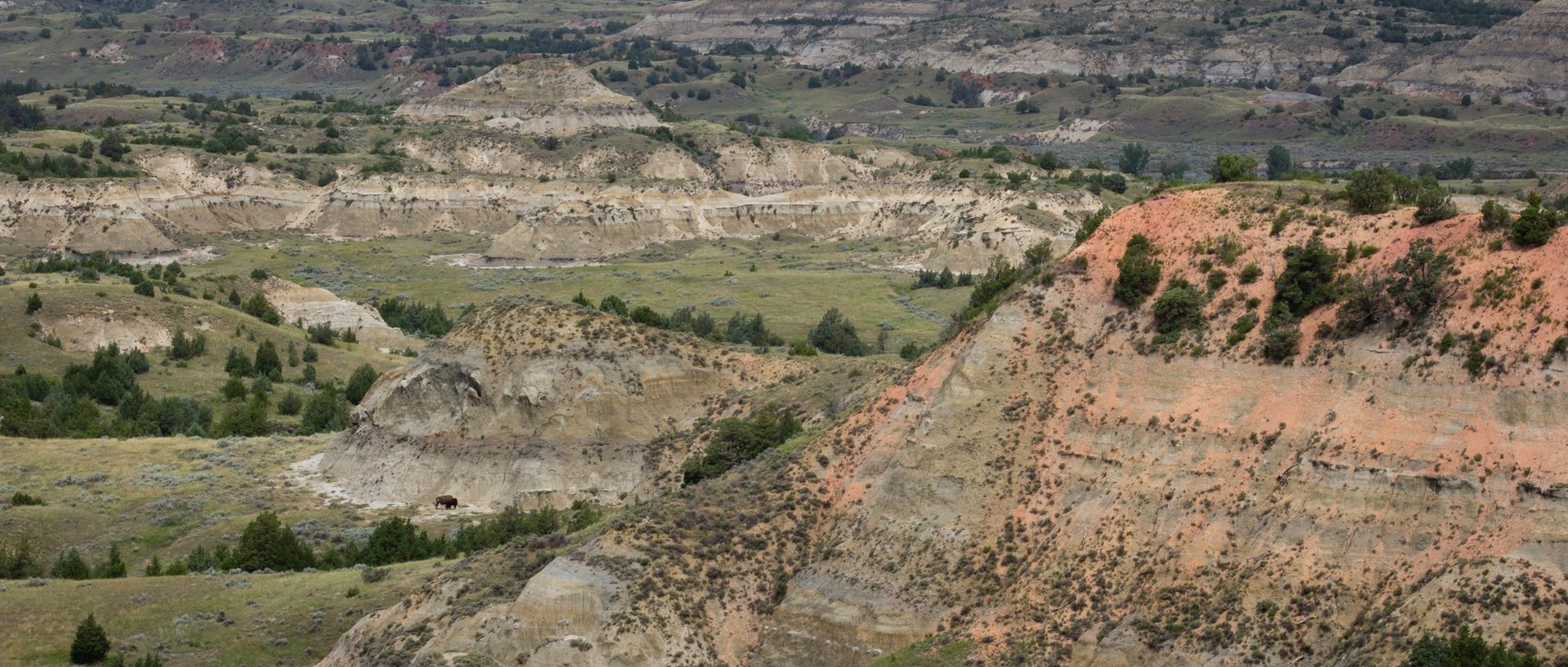
Daily life offers quieter advantages: low crime, minimal traffic, short commutes, tight-knit communities, and easy access to outdoor recreation — walleye fishing, hunting, and Theodore Roosevelt National Park in the western Badlands.
The Trade-Offs to Consider
Winter is the honest headline. January highs often stay below 20°F, stretches below zero are normal, and wind chills can be dangerous; blizzards can close interstates for days. Winter effectively lasts from November into April, and icy sidewalks are a real fall hazard for older adults. Retirees who dislike cold should treat this as disqualifying, not a footnote.
Scale and distance are the second issue. With about 799,000 residents, North Dakota has no large metro: Fargo (the biggest city) sits in the far east, Bismarck in the center, and everything else is small. Direct flights are limited, big-league entertainment means a trip to Minneapolis, and the retail, dining and cultural options of a Sun Belt retirement hub simply don't exist. Rural residents may drive one to three hours for specialty medicine, and western North Dakota's healthcare capacity was strained by the oil boom.
Finally, while the Red River Valley's spring floods are well managed (Fargo has invested heavily in diversion works), flood risk, hail and summer severe storms remain part of life on the northern Plains.
Taxes for Retirees in North Dakota
Social Security. Fully exempt from state income tax since 2021.
Pensions, IRAs and 401(k)s. Taxable, but under one of the nation's lightest structures: three brackets of 0%, 1.95% and 2.5%, with the 0% bracket covering a substantial band of taxable income (thresholds vary by filing status). Many retirees with modest withdrawals owe nothing; even large withdrawals face at most 2.5%.
Military retirement. 100% deductible from state taxable income.
Investment income. Long-term capital gains and qualified dividends qualify for a 40% deduction, producing effective rates of roughly 1.17%–1.5%.
Sales tax. 5% state rate; average combined state and local rate about 7.09%. Groceries are exempt.
Property tax. About 0.92% effective on average (2024). The Primary Residence Credit provides up to $1,600 to owner-occupied homes with no age or income test; the Homestead Property Tax Credit adds substantial relief for homeowners 65+ (or disabled) with household income under $70,000.
Estate and inheritance tax. None.
For most retirees the state tax bill rounds to very little. Confirm current credits and thresholds with a tax professional or the North Dakota Office of State Tax Commissioner.
Cost of Living and Housing
North Dakota's overall costs run about 9% below the U.S. average, with housing the biggest saver: the typical home value near $281,000 statewide, and established neighborhoods in Bismarck, Minot and Grand Forks often well below that. Fargo, the state's growth engine, is the priciest market but still modest by national standards. Utilities deserve a realistic budget — heating bills through a six-month winter are significant — but property insurance, groceries, and services are inexpensive. Renters will find some of the country's most affordable markets, a legacy of building booms during the oil years.
Healthcare for Retirees
Care clusters in four cities. Fargo is the medical hub, home to Sanford Health's flagship hospital and Essentia Health, and many specialists there also serve western Minnesota. Bismarck offers Sanford Bismarck and CHI St. Alexius; Grand Forks has Altru Health System; Minot has Trinity Health, which opened a new medical campus in 2023. A VA medical center in Fargo serves the state's veterans.
Quality at these hubs is solid, and wait times are often shorter than in big metros. The limitation is distance: complex tertiary care (advanced cancer programs, transplants) frequently means referral to Rochester's Mayo Clinic or Minneapolis, and rural residents can live an hour or more from any hospital. Retirees should pick a town in one of the four hub cities' orbits if ongoing specialty care is likely.
Climate and Natural-Disaster Risk
North Dakota has one of the continent's most extreme four-season climates: short, pleasant summers (with July highs in the low 80s and long daylight), gorgeous falls, and winters that are long, frigid and windy. Annual snowfall is moderate by Great Lakes standards, but wind-driven ground blizzards and extreme cold snaps are the real hazards.
The chief natural-disaster risks are blizzards and extreme cold; spring snowmelt flooding, especially along the north-flowing Red River (Fargo and Grand Forks have both built major defenses since the 1997 flood); and summer severe storms with large hail and occasional tornadoes. Hurricane, earthquake and wildfire risks are negligible. FEMA consistently rates most North Dakota counties low on overall expected annual disaster loss — the risks are seasonal and predictable rather than catastrophic.
Annuities and Retirement Income in North Dakota
With state taxes this low, annuity decisions in North Dakota turn almost entirely on the products themselves rather than tax planning: payout income is taxed at most at 2.5%, and often falls in the 0% bracket. For retirees whose Social Security doesn't cover baseline expenses — heating bills included — a lifetime income annuity can build a predictable floor that doesn't depend on markets.
If a licensed insurer fails, the North Dakota Life & Health Insurance Guaranty Association protects annuity benefits up to $250,000 in present value per owner, per insurer. Larger sums can be spread across multiple highly rated insurers to stay within coverage. As everywhere: an annuity's guarantee is only as strong as the insurance company behind it, so check financial-strength ratings and read surrender-charge schedules before committing money.
Who North Dakota Suits Best
North Dakota suits retirees with family, land or community ties to the state; cold-tolerant retirees prioritizing rock-bottom taxes, low costs, low crime and quiet; and military retirees, whose pensions are fully exempt. It is a poor fit for anyone seeking warm winters, big-city culture and dining, abundant direct flights, or bedside access to elite tertiary medicine.
Does North Dakota tax Social Security benefits?
No. North Dakota fully exempted Social Security benefits from state income tax in 2021. Federal taxation of benefits may still apply depending on your combined income.
How much state income tax do retirees pay in North Dakota?
Very little. North Dakota has three brackets — 0%, 1.95% and 2.5% — and the 0% bracket covers a substantial band of taxable income, so many retirees owe no state income tax. Even the top rate of 2.5% is among the lowest of any income-taxing state.
Is military retirement pay taxed in North Dakota?
No. Military retirees can deduct 100% of their retirement pay from North Dakota taxable income, making the state one of the friendliest for career service members.
What property tax relief does North Dakota offer homeowners?
Two main programs: the Primary Residence Credit, worth up to $1,600 per year for any owner-occupied home with no age or income test, and the Homestead Property Tax Credit for homeowners 65 or older (or disabled) with household income under $70,000. The average effective property tax rate is about 0.92%.
How is healthcare for retirees in North Dakota?
Good at the four hubs — Fargo, Bismarck, Grand Forks and Minot — anchored by Sanford, Essentia, Altru and Trinity Health, with a VA medical center in Fargo. The limitation is distance: rural residents may drive hours to specialists, and complex care often means referral to Minneapolis or Mayo Clinic.
How bad are North Dakota winters for retirees?
They are among the harshest in the lower 48: subzero stretches, dangerous wind chills, and blizzards that can close highways, with winter running roughly November through April. Cold-averse retirees should weigh this heavily; those who stay budget for heating and plan around ice-related fall risks.
What happens to my annuity if my insurance company fails in North Dakota?
The North Dakota Life & Health Insurance Guaranty Association covers annuity benefits up to $250,000 in present value per owner, per insurer. Retirees with larger annuity holdings sometimes split purchases among several financially strong insurers to stay within the limit.
Keep Learning
Free retirement education from Annuities.net — no signup required.

Empower Your Retirement Planning: How to Evaluate Annuity Options
Learn how to evaluate annuity options, weigh the trade-offs, and build a secure retirement plan. Use independent education from Annuities.net to make informed decisions and plan for steady lifetime income.
Read more

Why Independent Annuity Guidance Makes a Difference for Your Nest Egg
Independent, unbiased annuity guidance helps protect your nest egg by offering clear, conflict-free information. Use the free educational resources at Annuities.net to make informed retirement planning decisions.
Read more

Unlock Your Retirement Potential: Why Independent Financial Advice Matters
Independent financial advice is crucial for unbiased, personalized retirement planning. Annuities.net offers free, transparent education and a match with a licensed advisor to help secure steady income and financial peace of mind.
Read more
Not sure if an annuity is right for you?
Select the annuity that fits your financial plan. No pressure, always transparent.